Share questions, tips and best practices.
Recently active
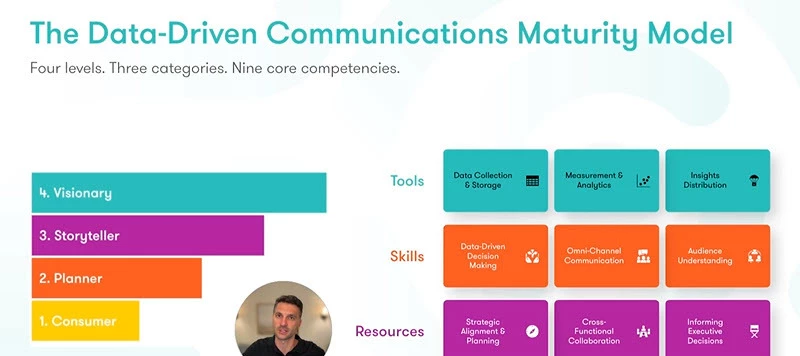
Ever wonder how your comms strategy stacks up? Or what the next step might look like if you want to drive more impact, influence, and credibility? Now you can. We’ve just launched the Data-Driven Communications Strategy Assessment — a quick, 10-minute quiz built for PR and comms pros who want to make smarter decisions and show real results. Here’s what happens when you take it:✔️ You’ll get a custom report based on where your team is today✔️ It includes clear, practical next steps — no fluff✔️ And you'll walk away with a roadmap to level up your strategic game The model was developed by @DinoDelic alongside a group of comms leaders who’ve been in your shoes. If you want to talk through your results or dig deeper, we can connect you with Dino directly. 📍 Ready to see how your team stacks up? Learn more: https://community.meltwater.com/p/DDC
Meltwater Community is a community for communication (PR, comms and marketing) professionals where customers can connect, learn, and inspire each other. To take these relationships to the next level, mCommunity is launching local user groups called mCommunity Chapters. These local user-groups provide educational resources and will host IRL (in real life) meetups for communications professionals in the same area. The goal is to build a knowledge base about all things PR, comms, and marketing while creating a supportive network. Who can participate in mCommunity Chapters?The program is open to all Meltwater customers and their peers in PR, comms, and marketing. Customers can invite friends in the industry to join the meetups, providing an opportunity to share actionable strategies and advice. Why attend an in-person meetup?In-person connections are still the most powerful way to connect. By discussing challenges, sharing opportunities, and celebrating wins, participants can strengthen t
Sam Knowles has written three books on the topic of data storytelling. His new course on Meltwater Academy covers a lot of ground. I've summarized the main takeaways in the attached 15-slide deck, but here are my three favorite and most practical takeaways.1. You have to get the brief right!This is the one that saves you the most time, not the least. Before you touch a dashboard, write down who's reading this, how much data they can actually stomach, and what they need to decide because of it. Sam calls it a Pen Portrait, and it takes two minutes: project, audience, data tolerance, format. Finance can handle the detail, marketing wants the headline, the board wants one number and nothing else. Get that wrong and you're rewriting the whole report from scratch.2. This, because of this, means that.This is Sam's test for whether you actually have an insight or just a data point. Try to fit your finding into one sentence: this, because of this, means that. If coverage went up and sales went
If you work in PR or Comms, here’s a question worth asking: Do your metrics show what happened—or why it matters to the business?Meltwater just launched Data-Driven Communications: Business Priority, the first course in a new four-part DDC learning path.In under 30 minutes, you’ll learn how to identify the business priority your communications should support, establish an always-on North Star, and recognize when changing priorities should shift your focus.It’s complimentary and designed to help raise the bar for how our industry connects communications to business impact.Check it out on Meltwater Academy now!
In Singapore last week I ran a workshop at Meltwater's Summit on Tour. Over 350 people at the event, and alongside a panel discussion on Data-Driven Communications (recap coming later this week), I ran a dedicated session for a packed room of 80.We covered a lot!Meltwater and Gartner research — the challenges and trends shaping comms and PR right now The purpose of communications — why we aren't measuring the thing we're actually paid to deliver Team structure and organizational design — the setup a real center of excellence needs to deliver actionable insight The 4 levels of analytics maturity — going from describing what happened to handing your execs a strategic recommendation The 6 data sources of DDC — the ingredients every comms measurement lead should be working with The new customer journey — Reach to Revenue, by way of Relevance and Reputation The DDC Compass — the steps anyone can follow to start delivering measurable impact within 90 daysFor those who weren't in the room for
Hello!I have a methodological question regarding three metrics in X Insights. If Views are defined as “The number of views on all X mentions. Anyone logged into X who views a Post counts as a view, regardless of where they see it (e.g., Home, Search, Profiles, etc.) or whether or not they follow the author.” And Estimated Reach is defined as “Reach is an estimate of the de-duplicated follower count for all unique X handles. It is an estimate of the potential total audience of the posts.” And Estimated Impressions are defined as “An estimate calculation based on the number of followers per author. If an author has posted multiple times, they will be counted for each post.” Hence Views = effective impressions. Then what is the purpose of the Estimated Reach and Estimated Impressions metrics? Are they to be understood as “the potential audience of the posts if they had been shown to all authors’ followers” (knowing that it is very unlikely that the algorithm displays a post to a whole au
What tips do you have for crafting email subject lines to maximize open rates? For instance, is there a suggested order of words? Will certain special symbols like “&” or “-” land my email in far more spam filters? Should I limit the subject line to a certain number of characters? Should I get the “main idea” or key words of the subject line within a certain number of characters? Does “click bait” language work well? How should clearly identifying the topic of my organization’s emails -- which are overwhelmingly press releases -- be balanced with brevity and intrigue? Looking for advice beyond the line “… long enough to cover the essentials but short enough to be interesting”? Does Meltwater already generate any analysis showing what has worked in the subject lines my colleagues and I have used? How much time do PR professionals on average dedicate to creating their subject line and how much time should they spend? I will add the caveat that I know that subject line crafting is onl
Sentiment, share of voice and mentions aren't crude, they're just the wrong layer A question came in through the course feedback on the North Star module last week, and it's exactly the right one to be asking at that point:"How can we move beyond crude data like sentiment, share of voice and mentions to really measure whether comms is helping to enhance reputation?"It's a meaty topic, and it's the entire focus area of the next module. But here's some practical advice you can use while we put the finishing touches on that course.First, a reframe. Sentiment, share of voice and mentions aren't necessarily crude. They're just the wrong layer for what you're trying to prove. They measure the conversation and the coverage. Reputation is a belief sitting in someone's head. Those are two different things, and no volume of coverage data will tell you what people actually think of you.So here are three moves to get from measuring the conversation to measuring belief.1. Name whose perception you
You may have started seeing Data-Driven Communications (DDC) pop up across Meltwater. Now, we’re bringing more of it here to mCommunity.DDC is a practice designed to help communications professionals use data to make better decisions, connect their work to the priorities of the business, and become more strategic advisors to their organizations.And you’ll be hearing a lot from me as the head of the Data-Driven Communications practice at Meltwater. (I hope you enjoy analogies, but hey, I have to be known for something!)I’ve been at Meltwater 17 years and work closely with communications leaders at complex global organizations exploring some of the biggest questions facing the profession: How do we move beyond reporting metrics to generating intelligence? How should AI change the way communications teams work? How do we earn greater influence with leadership? And how do we demonstrate the impact communications has on the business?A great place to start is Earning Your Seat, our podcast s
The best product marketing campaigns don’t come from creativity alone or data alone. They come from combining instinct, cultural awareness, and a deep understanding of your audience. Great marketing isn’t about choosing between gut feeling and analytics. It’s about knowing when each should lead. And yet: too many teams swing to extremes, either chasing what “feels cool” or over-validating ideas before they have a chance to grow. Neither works. Campaigns that actually drive results start with a strong point of view, then use data to refine and validate it, not replace it. This post breaks down how to balance all three so your campaigns are not just safe or trendy, but effective. Start with instinct, then validate itEvery strong campaign starts with a point of view. A tension. A feeling. Maybe you can sense that your audience is tired of hyper-polished messaging, or that they crave transparency. Maybe you feel that your product deserves a little irreverence in an industry that takes its
In the age of AI, mass layoffs, and portfolio careers—how do we provide mentorship and support to the next generation of marketers and leaders? The workforce has changed faster than our approach to mentorship. So, if we want to support the next generation, we need to stop giving career-path advice and start teaching adaptability, thinking, and resilience. Traditional guidance—pick a path, climb the ladder, follow the plan—no longer reflects reality. Careers today are fluid, uncertain, and constantly evolving. Mentorship needs to reflect that shift. I’ve been to my fair share of conferences and have had the chance to talk with recent grads and young women stepping into their first roles. There’s a real sense of responsibility in those conversations—the pressure to offer something well-meaning and genuinely useful. Here are five pieces of advice that actually helps early-career professionals navigate what comes next. 1. Don’t chase the “perfect path”, build adaptabilityFor decades, car
I finally have the time to go back and catch up on the Data Driven Coms courses. These were so good at providing new ways of how to deliver actionable insights to managers and leadership about media monitoring. I’ve spent the most time on the 2nd course because it could really change so much of what I do. I already took the quiz for ‘Actionable Intelligence’ now I want to take the quiz for part I and part III but can’t find them in mAcademy. Any suggestions on how I can get to them?
So, you’ve got Meltwater. You’re pulling sentiment reports, tracking brand buzz, maybe even dabbling in the art of a boolean query. But here’s the thing: having access to a tool isn’t the same as actually using it well, or helping your team do the same. Are you gatekeeping the tool or sharing the wisdom? Having access to any tool, Meltwater included, means nothing if no one else knows how to use it. I’m fortunate to be at a marketing agency, Quantious, that promotes a culture of innovation and ensures cross-training for every vertical. If your team members don’t know what Meltwater is or how to leverage it, you have some work to do. Let’s fix that. Here’s how to turn your tools from a mystery into muscle memory for everyone, not just for you. 1. Document your processesKnowing how to use a tool like Meltwater is only half the battle. Ensuring consistency and making sure your processes are repeatable is where the real magic happens. Has anyone ever asked you, “How did you pull that?” and
Today marks a milestone — we've launched Earning Your Seat, the first Meltwater-branded podcast available globally on YouTube, Spotify, and Apple Podcasts. This isn't your typical podcast.This isn't a bunch of talking heads trading opinions. Earning Your Seat is hosted by three people — two communications leaders and one Data-Driven Communications Coach — who set out to interview industry experts and learn alongside you. We went looking for real tips and tricks. Techniques that actually move needles. The stuff that helps you earn and keep a seat at the table.But here's what makes this 11-week series truly different: you're going to witness three transformations unfold.Each of your co-hosts went on a real journey:Stephanie Lerdall (Head of Corporate Communications, Morningstar) unlocked new leadership skills and learned how to lead a global team with greater confidence. Her DDC Maturity score went from 45 to 58. Genevieve Brammall (Head of PR, News Corp Australia) turned instinct into a
You can lead a team to data, but you can’t make them listen… at least, not without a little strategy. You can share all the data you want, but chances are, you’re not making the most of it. I understand. When you’re bombarded with numbers and ROI calculations, it’s hard to decipher what this information means, let alone use that information to inform and update your strategy. With social listening, for example, it’s likely that a team only sees hashtags and sentiment scores. The data is important, but the underlying meaning is often overlooked. Social listening is so much more than what’s at the surface. It’s how the world is talking about you, your competitors, your industry, and your future. Be honest: Is your team effectively transforming your strategy, using the insights you have? How do your colleagues view social listening? Do they see it as “just a cool tool for marketing”? Or, are they able to connect the dots, refine strategy, and maximize their impact? If it’s not the latt
In this episode, three seasoned communications leaders share hard-earned lessons on navigating internal communications when the stakes are high: J.B. Skelton – Director of Internal & Executive Communications, Microsoft Andrew Blotky – Founder & CEO, Azure Leadership Group, Author of Honestly Speaking Antonio Ortolani – VP of Global Insights, Meltwater Together, they dig into the question: How do you prepare for the unexpected while keeping employees informed, aligned, and inspired? Key Insights Playbooks matter. Documented frameworks give communicators a head start when crises hit. They build trust with leadership and prevent scrambling. Listening is more than surveys. True listening means pulse checks, relationships, and understanding how representative “loud voices” really are. Authenticity wins. Employees and consumers see through opportunistic statements. Speak only when you have a clear purpose, and back words with meaningful action. Even-keeled leadership. Comm
If you’re a marketer like myself, stepping into 2025 may have felt less like a smooth stride and more like running on ice. The fast pace and endless to-do lists that come with the new year can be overwhelming, but I’m determined to channel all that momentum into fresh opportunities, bold strategies, and a high-energy approach to the new year.Whether you’re looking to level up professionally, shake up your creative process, or expand your horizons, 2025 is brimming with potential. Here are ten bold, exciting, and maybe even questionable ways I plan to make the most of the year ahead. You’re invited to join me on this adventure of breaking routines, sparking creativity, and finding growth in unconventional places! Send a Cold DM to Someone You AdmireLeena Nair, Chanel’s Global CEO, recently gave a fascinating interview at Stanford Graduate School of Business, where she shared how bold, intentional networking helped to shape her career. In the early days, she would reach out to inspiring
Every PR and marketing pro knows the challenge: there’s never enough time in the day, yet the pressure to deliver results keeps growing. That’s why we’ve built new ways inside Meltwater Community to help you learn faster, connect with experts, and get more value — without adding extra hours to your workload. Insights unBoxed with @john.box Our CEO is opening up his own playbook of favorite product hacks — simple ways to unlock more value from Meltwater and get results quicker. (Make sure to subscribe to the page to be notified when the next one drops)🎥Watch here Season 2 of Expert Exchange Podcast is LiveYour peers are sharing real stories, hard lessons, and practical tips you can apply immediately. Think of it as learning from colleagues you haven’t met yet. (Make sure to subscribe to the page to be notified when the next one drops)👂Listen here Summit Replay Series.Couldn’t make every session at Summit? Now you can watch the most popular talks on demand and pick up strategies fro
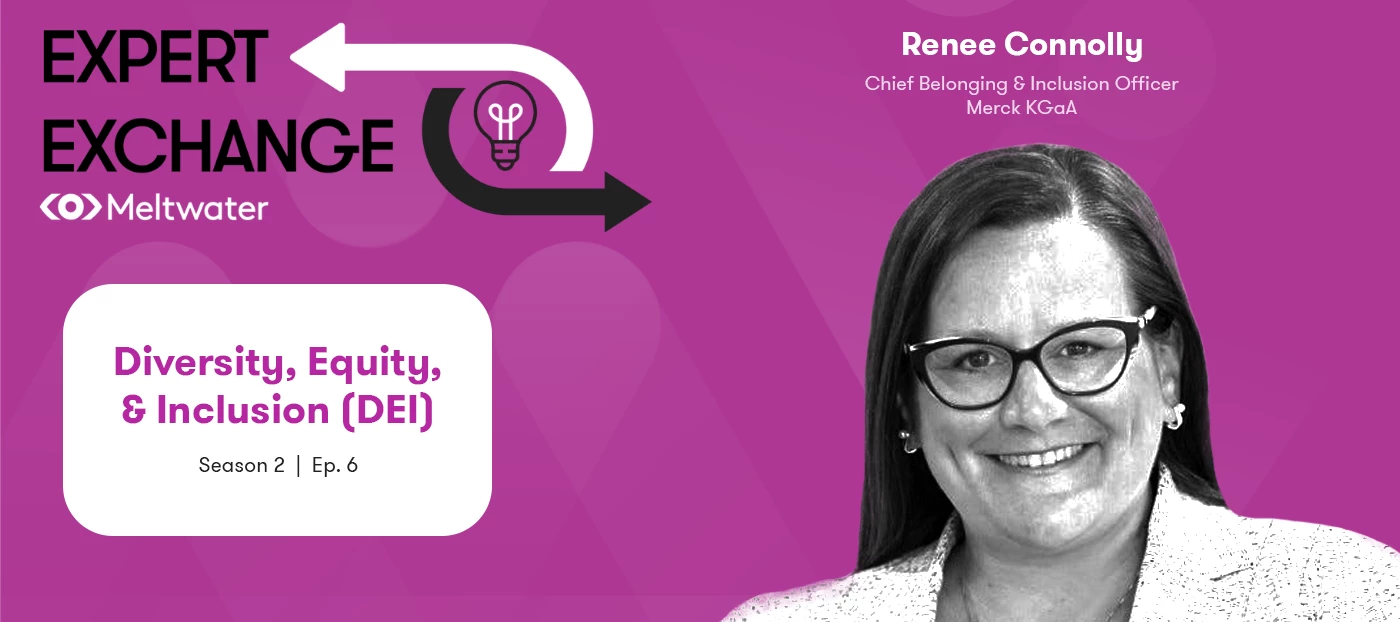
In this episode of Expert Exchange, @DinoDelic sits down with Renee Connolly, Chief Belonging & Inclusion Officer at Merck KGaA, to talk about what it really takes to drive Diversity, Equity, and Inclusion in a 354-year-old company. From setting aspirations instead of quotas to making space for uncomfortable but necessary conversations—Renee shares how she’s working to embed inclusion into one of the world’s oldest and most global organizations. This one’s for leaders navigating culture change in established companies, communicators shaping inclusive narratives, and anyone curious about how to make DEI work beyond surface-level numbers. 💥 What you'll take away: [06:45] Why aspirations work better than quotas—and how to set them with intention [18:20] How to measure what really matters: behavioral change, not just headcount [27:10] Practical tips for building diverse hiring panels without tokenism [39:30] Why uncomfortable conversations are essential for growth (and how to ha
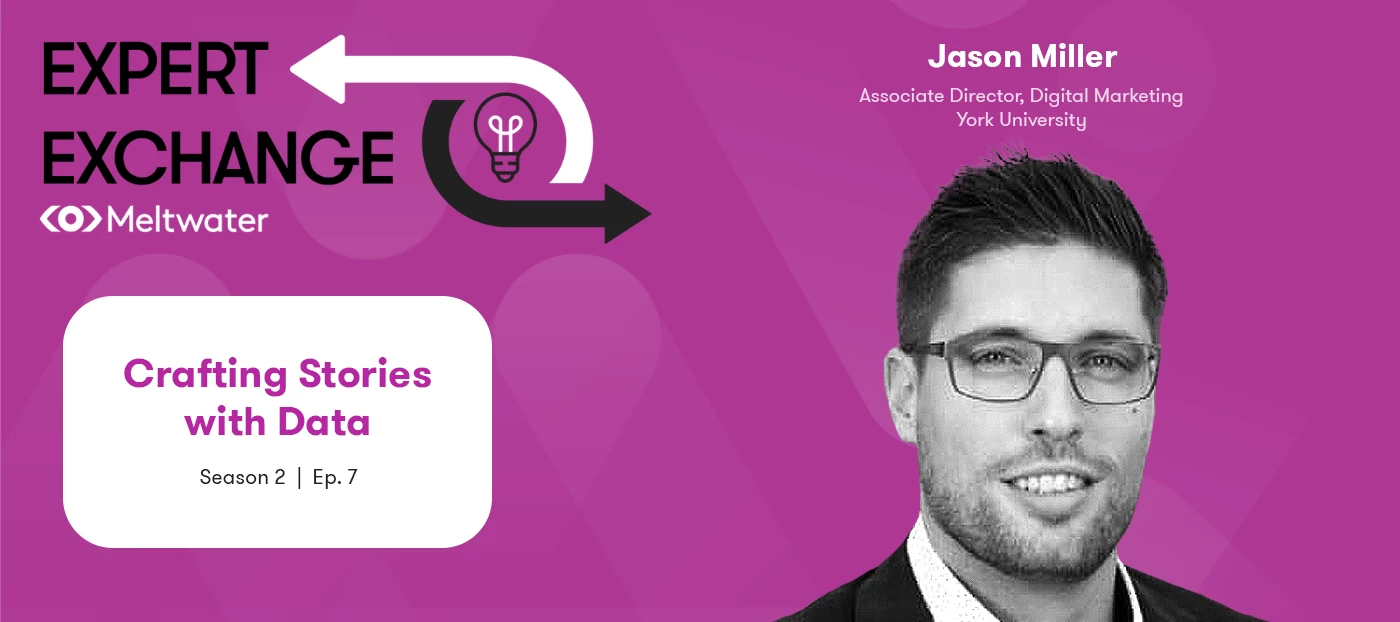
In this episode of Expert Exchange, @DinoDelic chats with [my fellow Canadian] Jason Miller, Associate Director of Digital Marketing at York University, about what it really takes to tell a great story with data. From guiding non-marketing stakeholders through campaign results to redefining which metrics matter—Jason shares how to move from reactive reporting to proactive storytelling. This one’s for marketers, communicators, and analysts who are swimming in data but still struggling to connect the dots. 💥 What you'll take away: Bounce rate isn’t always bad — and why context changes everything (00:06:52) Stop the data overload — how to focus your reporting on just a few metrics that matter (00:16:10) Map the journey first — why walking through the user experience before analyzing data leads to better insights (00:27:45) Be proactive, not reactive — how setting expectations upfront can make your reports clearer and more useful (00:12:35) Adapt for your audience — how Jason si
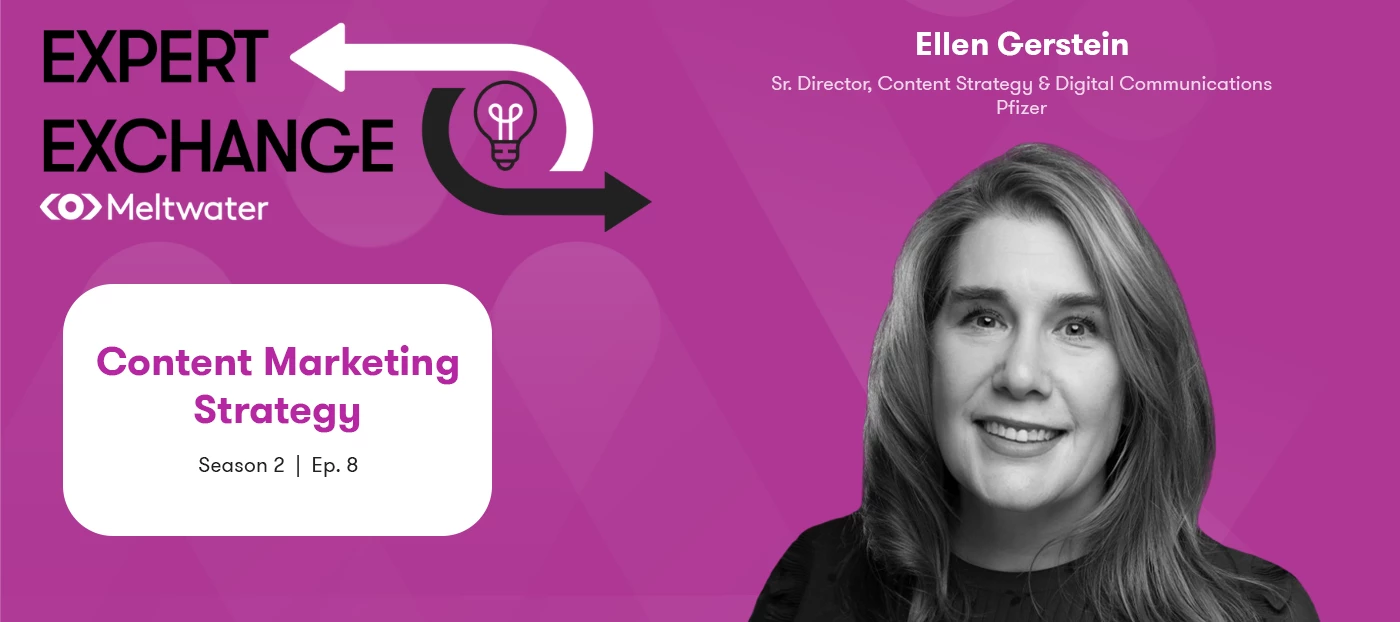
In this episode of Expert Exchange, @DinoDelic sits down with Ellen Gerstein, Senior Director of Content Strategy & Digital Communications at Pfizer, to explore what it takes to create content that builds real trust—and doesn’t get lost in the noise. Ellen shares how she scaled her team, launched an employee advocacy program with over 75 million social impressions, and keeps her strategy grounded in user experience—even at one of the world’s largest pharmaceutical companies. This one’s for content leaders, communicators, and brand strategists trying to show impact inside complex organizations.💥 What you’ll take away: [05:20] Why thinking like an outsider is Ellen’s superpower—and how she keeps that perspective after 8+ years at Pfizer [09:40] What metrics actually matter for content success (hint: it’s about depth, not just reach) [17:00] Why reading the comments is underrated—and how anecdotes can be more powerful than dashboards [25:45] What authentic employee advocacy re
🎙️ In this episode of Expert Exchange, @DinoDelic sits down with Drew Neisser, CEO (and self-proclaimed Penguin in Chief) of CMO Huddles, for a candid conversation about what’s broken in B2B marketing—and how to rebuild it. Drew’s interviewed over 600 CMOs, authored two books, and built one of the most successful B2B marketing communities out there. He’s also a LinkedIn Top Voice who’s generated over 1 million organic impressions… by breaking every rule marketers are told to follow on the platform. This episode is packed with insights for marketing leaders tired of artificial, short-term tactics and ready to put brand and community back at the center. 💥 What you’ll take away: Stop separating brand and performance — why it’s a costly mistake to treat them like opposites (00:11:45) Artificial marketing is killing trust — how PE/VC ownership is shifting marketing priorities in the wrong direction (00:06:20) Reputation > reporting — why CMOs must educate CEOs on long-term brand
🎙️ In the final episode of this season of Expert Exchange, @DinoDelic chats with Genevieve Brammall, National Head of PR & Talent Relations at News Corp Australia, about what it really means to lead with data—and how to use it to fuel both team culture and business results. Genevieve didn’t score at the top of our Comms Maturity Assessment. But how she uses data in practice? A masterclass. From aligning publicity to business outcomes, to creating measurement models with real influence—her approach is smart, human, and practical. 💥 What you’ll take away: Vision + metrics — Why great leaders link their strategy to measurable outcomes (00:06:20) Beyond AVE — How a napkin sketch became her team’s PR measurement framework (00:10:45) The win-win-win — A model for driving individual, team, and business success (00:17:50) Culture powered by data — How live measurement inspired weekend work (00:22:10) Advice for future leaders — What emerging comms pros often overlook (00:26:30)
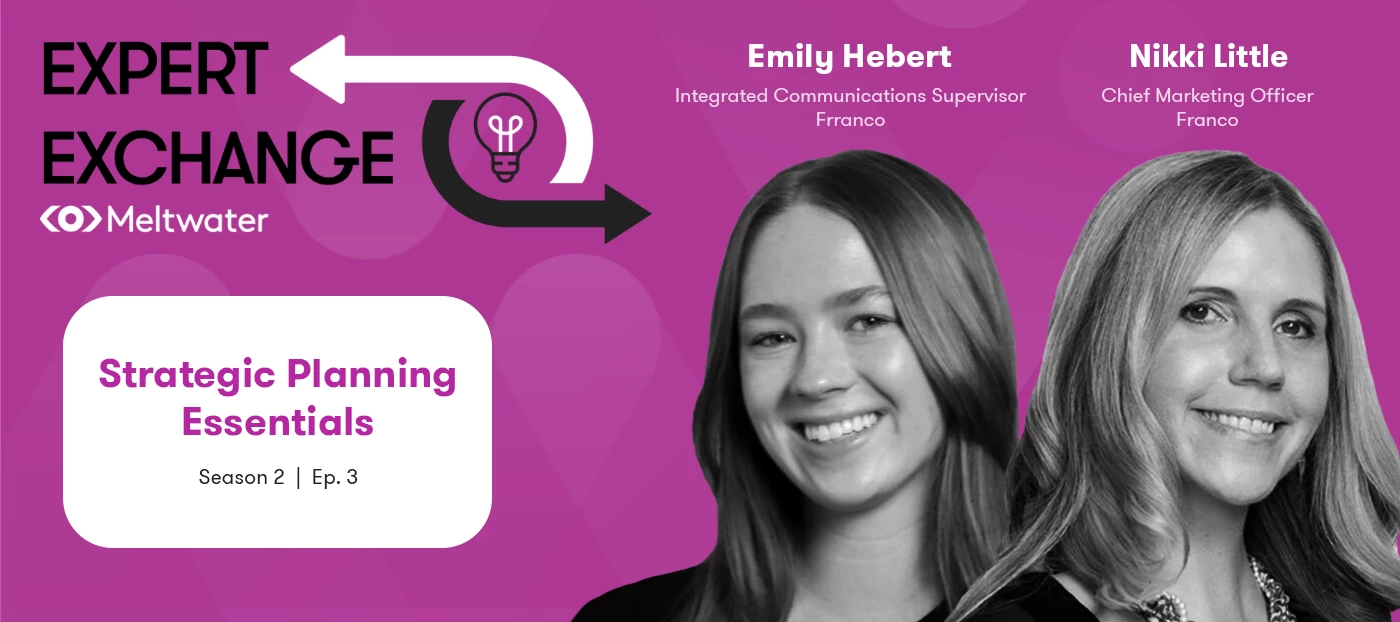
We’re back with Episode 3 of Expert Exchange. If you work in PR, communications, or marketing, you’ve probably seen it happen: a strategy looks great on paper… then disappears by Q2ish. In this episode of Expert Exchange, @DinoDelic is joined by Nikki Little, CMO at Franco, and Emily Hebert, Integrated Communications Supervisor, about why that happens - and how to make a plan that actually sticks. 💡 Together they dig into: Why so many strategies end up in the “strategy graveyard” How to align plans with business goals (and avoid working in a silo) Why execution plans matter just as much as strategy How to use data—and customer input—to guide decision-making The difference between being data-driven and acting on it Tips for making your plan flexible enough to handle change If you’re in planning mode for next year or leading campaigns right now, this one’s worth a listen. Nikki and Emily share stories from the field and practical advice that hits home for anyone trying to
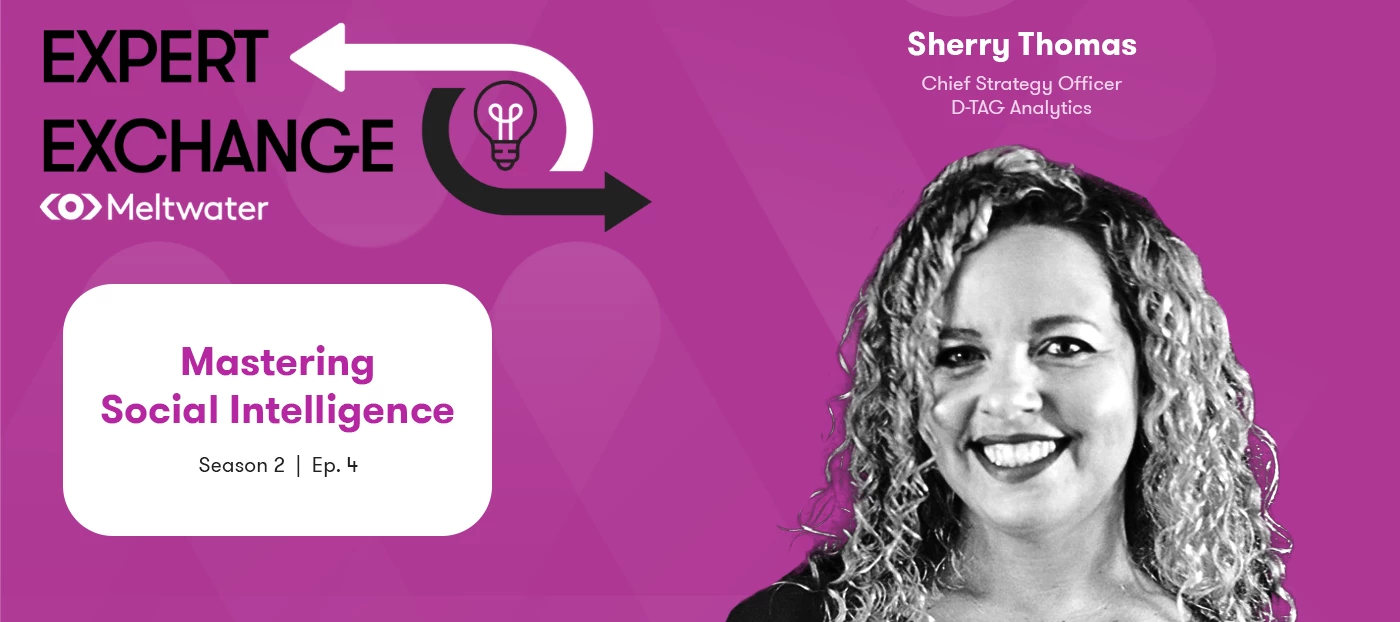
PR and marketing teams don’t suffer from a lack of data—we’re drowning in it. The real challenge? Figuring out what actually matters and what to do about it. In this episode of Expert Exchange, @DinoDelic sits down with Sherry Thomas, Chief Strategy Officer at D-TAG Analytics, to talk about how to turn information into action. With a background in military intelligence and years of experience leading social analytics for global brands like Nike, Sherry knows how to connect the dots and drive smart decisions. 💡 Here’s what you’ll take away: Why your reports might be falling flat—and how to fix that What execs really want from your analysis (hint: it’s not a dashboard) How to turn social noise into clear, confident recommendations Why the best analysts think more like anthropologists than data scientists What happens when comms and marketing teams actually connect the dots Sherry also shares how to break silos, build trust, and bring social intel into the rooms where real dec
Don't be shy and let us know about your challenge.
Already have an account? Login
No account yet? Create an account
Enter your E-mail address. We'll send you an e-mail with instructions to reset your password.